Save time and find the answers to the most common questions
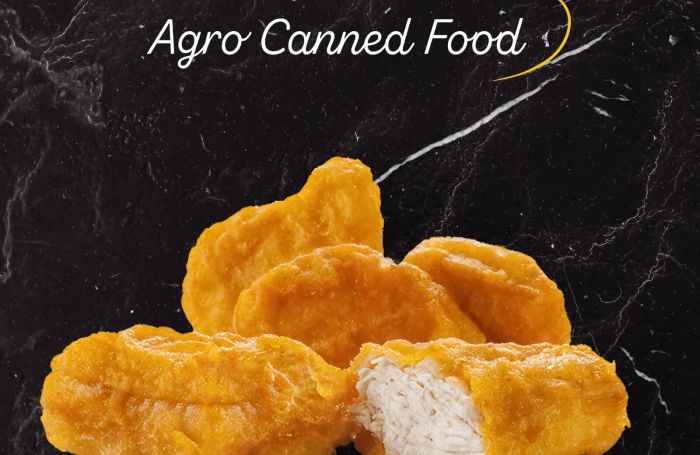
In products such as chicken nuggets, breaded chicken fillets, and poultry schnitzel, breadcrumbs play a critical role in coating performance.
For industrial poultry processing lines, breadcrumbs should provide:
consistent particle size
stable adhesion with batter and predust systems
structural stability during frying
reliable performance in high-throughput production
Yes.
Our production focuses on industrial breadcrumbs for poultry processors, particularly companies producing breaded chicken products such as nuggets, coated fillets, and other prepared poultry items.
These breadcrumbs are designed to perform consistently in large-scale poultry production environments.
.
Yes.
Many poultry processors require breadcrumbs adapted to their coating systems and processing conditions.
Breadcrumbs can be developed according to specific requirements including:
particle size distribution
crumb texture and color
coating pickup behavior
compatibility with batter systems
Breadcrumb structure directly affects coating stability during key processing stages such as frying, cooling, and IQF freezing.
Properly structured breadcrumbs help maintain consistent coverage and reduce coating detachment during industrial production.
In high-volume poultry production, coating loss can impact product yield, oil cleanliness, and product consistency.
Breadcrumbs designed for industrial coating systems can support better adhesion and improved coating retention.
Industrial breadcrumbs are widely used in products such as:
chicken nuggets
breaded chicken fillets
poultry schnitzel
coated chicken portions
These products require consistent crumb structure to maintain texture and product appearance.
Poultry processors typically look for suppliers who can provide:
consistent product quality
industrial production capacity
ability to adapt to processor specifications
reliable logistics and supply continuity
Suppliers located near major poultry production regions may also offer logistical advantages.
Our breadcrumbs are produced in Egypt, allowing efficient logistics to Europe, the Middle East, and nearby regions.
This location supports competitive pricing while maintaining consistent product quality for industrial food processors.

Trusted manufacturer and exporter of premium food ingredients and preserved specialties. Experts in Coating Solutions, Preserved Products, and Olive Oil – delivering consistency and quality to food industry professionals worldwide.
 English
 العربية
 Spanish
 Germain