Loading...

Why Poultry Coatings Fail After Freezing

Why Poultry Coatings Fail After Freezing
2026-06-15
Why Poultry Coatings Fail After Freezing

Why Poultry Coatings Fail After Freezing

Understanding the Hidden Cost of Coating Failure

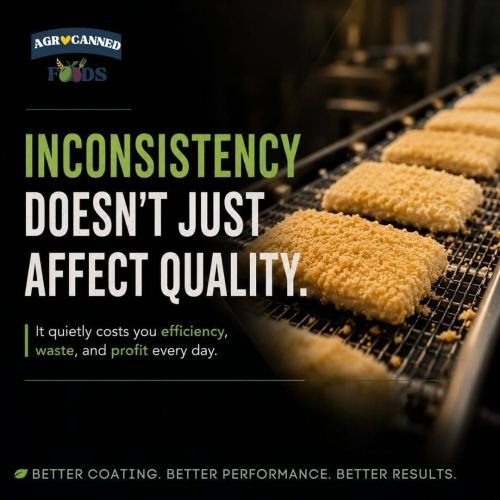
In the frozen poultry industry, coating performance is often the difference between a premium product and a costly customer complaint. A breaded chicken fillet may leave the production line looking perfect, but the real test begins after freezing, storage, transportation, and final preparation. Many poultry processors encounter frustrating problems such as coating separation, breadcrumb blow-off, bald spots, uneven coverage, or texture deterioration. These issues do not simply affect appearance; they directly impact yield, product consistency, customer satisfaction, and profitability. Every kilogram of coating lost during processing represents wasted ingredients, increased operational costs, and potential rejection by retailers or foodservice customers.

What makes these failures particularly challenging is that the root cause often appears long before the defect becomes visible. A coating that falls off after freezing may have started failing during predusting, batter application, or product handling. By the time the product reaches the fryer or the customer, the damage has already been done. This is why successful poultry processors focus on the entire coating system rather than isolated production stages. Understanding the science behind coating adhesion and freeze stability allows manufacturers to identify weaknesses before they become expensive problems.

What Happens to a Coating System During Freezing?

Freezing is far more complex than simply lowering product temperature. As poultry products move through freezing tunnels and enter cold storage, both the meat substrate and the coating system undergo significant physical changes. Water within the chicken begins to crystallize, moisture migrates between layers, and mechanical stresses develop throughout the coating structure. These changes place enormous demands on adhesion systems. If the coating has not been properly designed to withstand these stresses, separation and cracking can occur.

One of the biggest challenges comes from the expansion of water during ice crystal formation. As moisture freezes, it occupies more volume, creating pressure between the meat surface, predust layer, batter film, and crumb coating. Even small weaknesses can become failure points. The situation becomes even more complicated during freeze-thaw cycles, transportation fluctuations, or extended storage periods. What initially appears to be a minor adhesion issue can evolve into significant coating loss by the time the product reaches consumers. This explains why processors increasingly prioritize freeze-thaw stability when designing poultry coating systems. Industry experts consistently identify moisture management and adhesion optimization as critical factors in maintaining coating integrity throughout frozen distribution chains.

The Role of Moisture Migration

Moisture is constantly moving within a frozen poultry product. Water migrates from the meat toward the coating layers and can weaken the bond between components. Excess moisture often causes the coating to become soft, fragile, or detached.

Ice Crystal Formation and Structural Stress

Ice crystals act like microscopic wedges inside the product structure. When adhesion systems are weak, these crystals create stress that eventually separates the coating from the poultry surface.

Why Adhesion Is the Foundation of Frozen Poultry Success

Adhesion is the invisible force holding every layer of the coating system together. It begins at the interface between the poultry substrate and the predust layer and continues through the batter and final crumb coating. When adhesion is optimized, the coating remains attached during freezing, storage, frying, and consumption. When adhesion is poor, coating failure becomes inevitable regardless of how good the final product initially appears.

Many processors mistakenly focus only on crumb quality when investigating coating failures. In reality, crumb loss is often a symptom rather than the cause. The actual problem may originate from inadequate surface preparation, inconsistent batter viscosity, improper hydration, or poor interaction between coating components. Modern poultry coating systems are designed to create strong mechanical and chemical bonds throughout every layer. This integrated approach reduces coating loss, improves yield, and delivers consistent texture across production batches. Strong adhesion systems also help minimize fines generation, reduce waste, and improve overall processing efficiency. Poultry manufacturers that invest in adhesion optimization often see measurable improvements in both product quality and production economics.

How Poor Adhesion Starts Before Freezing

Most adhesion problems begin before the product even enters the freezer. Surface moisture, protein condition, product temperature, and coating application all influence the quality of the bond.

Common Adhesion Defects in Poultry Processing

Common defects include coating lift, blistering, crumb fall-off, patchy coverage, and separation between coating layers. These issues often become more severe after freezing.

Predust Problems That Lead to Coating Separation

The predust stage is frequently underestimated, yet it is one of the most important steps in the entire coating process. Predust acts as the bridge between the poultry surface and the batter layer. Its primary functions include moisture absorption, surface preparation, and creation of mechanical adhesion points. When predusting is performed incorrectly, every subsequent coating stage becomes less effective. Industry studies show that uneven predust application often leads to irregular batter pickup, poor crumb retention, and coating separation during freezing or reheating.

Selecting the wrong predust formulation can also create problems. Different poultry products require different moisture management characteristics. A coating system designed for nuggets may not perform optimally on fillets, tenders, or bone-in products. Variables such as starch content, flour selection, particle size, and functional ingredients all influence performance. High-performing predust systems create a stable interface that remains intact throughout freezing and cooking. Without this foundation, even the most advanced batter and crumb systems may struggle to deliver consistent results.

Surface Moisture Challenges

Excessive surface moisture dilutes batter systems and weakens bonding. Too little moisture can also reduce adhesion by limiting interaction between coating layers.

Incorrect Predust Selection

A mismatch between predust characteristics and product requirements can create weak adhesion zones that eventually fail during frozen storage.

Batter Formulation Mistakes

Batter functions as the glue of the coating system. It binds the crumb to the poultry surface while contributing texture, appearance, and processing performance. Batter formulations must be carefully engineered to balance viscosity, pickup, film formation, and freeze stability. If the batter is too thin, coverage becomes inconsistent. If it is too thick, coating buildup may become excessive and unstable.

Another common issue is inadequate film strength. During freezing, the batter layer must withstand moisture movement and mechanical stress without cracking. Modified starches, proteins, and functional ingredients are often incorporated to enhance adhesion and freeze-thaw performance. Processors who treat batter as a simple ingredient rather than a functional system frequently experience coating failures later in the production cycle. The most successful manufacturers continuously monitor batter viscosity, hydration levels, and processing conditions to maintain consistent performance. Experts across the coating industry emphasize that optimized batter systems are essential for preventing blow-off, pillowing, and coating separation.

Viscosity Issues

Incorrect viscosity affects coating pickup, coverage consistency, and adhesion strength.

Weak Film Formation

A weak batter film may crack under freezing stress, creating pathways for moisture migration and coating detachment.

Breadcrumb and Crumb System Failures

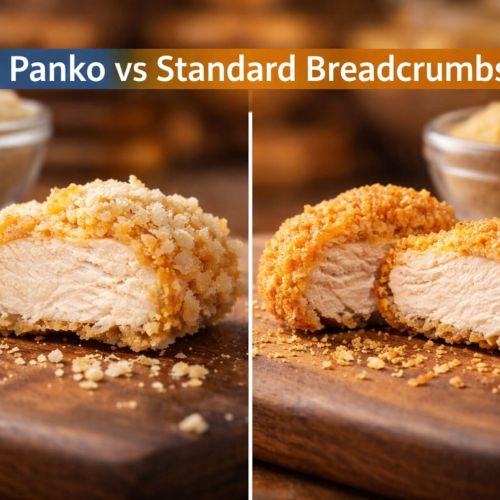
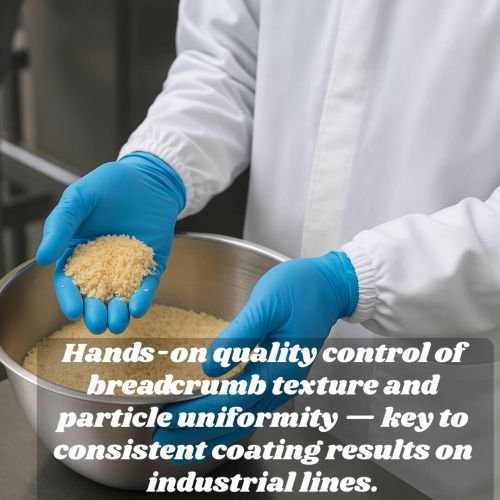
Breadcrumb selection significantly influences both visual appeal and functional performance. While many processors focus on color and texture, structural durability is equally important. Large, decorative crumb particles may create attractive products, but they must also survive freezing, packaging, transportation, and final preparation. Poorly selected crumb systems often break apart during handling, creating excessive fines and uneven product appearance.

Particle size plays a major role in coating performance. Fine crumbs typically provide better coverage and adhesion, while larger crumbs deliver enhanced crunch and visual impact. The challenge lies in finding the right balance between aesthetics and durability. Certain crumb structures are more resistant to mechanical stress and moisture migration, making them better suited for frozen applications. Successful poultry processors work closely with coating specialists to match crumb characteristics to specific product requirements, ensuring that appearance, texture, and adhesion remain stable throughout the product lifecycle.

Factor Fine Crumbs Coarse Crumbs
Adhesion High Moderate
Crunch Moderate High
Freeze Stability Good Variable
Visual Impact Moderate High
Fines Generation Lower Higher

Particle Size Effects

Crumb size directly influences adhesion, texture, and durability after freezing.

Mechanical Fragility During Frozen Storage

Fragile crumb structures are more susceptible to breakage during packaging and transportation.

Processing Factors That Increase Coating Loss

Even the best coating formulation can fail if processing conditions are inconsistent. Product temperature, line speed, equipment settings, freezer performance, and handling practices all influence coating integrity. Small process variations often compound over time, creating significant quality issues. For example, inconsistent product temperature can alter batter pickup and adhesion performance. Similarly, aggressive conveyor transfers or excessive product tumbling can damage coatings before freezing even begins.

Many coating failures attributed to ingredients are actually process-related. Successful manufacturers use data-driven quality control programs to monitor critical variables throughout production. Regular equipment maintenance, operator training, and process validation help ensure that coating systems perform as intended. The goal is to create a stable manufacturing environment where every product receives identical treatment from raw material to finished package.

Temperature Variations

Temperature fluctuations affect moisture behavior, batter viscosity, and coating stability.

Equipment Settings and Handling

Improper equipment adjustments can increase mechanical stress and accelerate coating damage.

Why the Fryer Is Often Blamed Incorrectly

When coating failures become visible, the fryer is often the first suspect. Yet many industry investigations reveal that the fryer is rarely the root cause. Problems that appear during frying often originate much earlier in the process. Weak adhesion systems, poor predust application, inconsistent batter performance, or crumb selection issues may remain hidden until heat exposure reveals them. By the time coating separation occurs in the fryer, the defect has typically been developing for hours or even days.

This misconception can lead processors to make unnecessary fryer adjustments while overlooking the real source of the problem. A more effective approach involves evaluating the entire coating system from substrate preparation through freezing and storage. Root-cause analysis consistently demonstrates that coating performance depends on the interaction of multiple variables rather than any single processing step. Poultry manufacturers that adopt a system-wide perspective are far more successful at solving recurring quality issues.

Building a Freeze-Stable Poultry Coating System

Creating a coating system that survives freezing requires a holistic approach. Every component must work together as part of an integrated solution. The predust must manage moisture effectively, the batter must provide strong adhesion and film formation, and the crumb must deliver both texture and structural durability. When these elements are properly aligned, coating performance improves dramatically.

Leading poultry processors increasingly partner with coating specialists to develop customized systems tailored to their specific products and processing conditions. Rather than purchasing ingredients independently, they focus on complete coating solutions designed to optimize adhesion, yield, texture, and freeze stability. This strategy reduces troubleshooting time, improves consistency, and creates a stronger competitive advantage in demanding foodservice and retail markets.

Integrated Predust, Batter, and Crumb Design

Maximum performance is achieved when all coating layers are designed to function together rather than independently.

Quality Control Best Practices

Routine monitoring of moisture, viscosity, pickup rates, and freezer performance helps prevent costly coating failures.

How Agro Canned Food Helps Poultry Processors Improve Coating Performance

At Agro Canned Food, we understand that coating performance is about much more than breadcrumbs alone. Successful frozen poultry products require carefully engineered coating systems that address adhesion, texture, color consistency, yield optimization, and freeze stability as a complete package. Our coating solutions are developed to help poultry processors overcome common challenges such as crumb blow-off, coating separation, uneven pickup, and texture inconsistency.

By combining technical expertise with practical industrial experience, we help manufacturers identify the real causes of coating failures and implement solutions that improve long-term performance. Whether producing nuggets, tenders, fillets, wings, or value-added poultry products, processors need coating systems that remain reliable from production line to consumer plate. Through customized coating solutions and technical support, Agro Canned Food assists food manufacturers in achieving higher quality standards, improved yields, and greater customer satisfaction.

Conclusion

Poultry coatings rarely fail after freezing because of a single issue. Most failures result from a combination of moisture migration, weak adhesion, inadequate predusting, batter formulation challenges, crumb selection errors, and process inconsistencies. Freezing simply exposes weaknesses that already exist within the coating system. Manufacturers who focus only on the visible defect often overlook the true root cause.

The most effective solution is a complete systems approach that optimizes every layer of the coating process. When predust, batter, crumb, and processing conditions work together, frozen poultry products maintain their appearance, texture, and yield throughout storage and preparation. For processors seeking consistent quality and improved production performance, investing in a properly engineered coating system remains one of the most valuable decisions they can make.

FAQs

1. Why does breading fall off chicken after freezing?

The most common reasons include poor adhesion, moisture migration, weak batter systems, and improper predust application.

2. Does freezing itself cause coating failure?

Freezing exposes weaknesses in the coating system, but the underlying causes usually occur earlier during processing.

3. How can poultry processors improve coating adhesion?

Improving surface preparation, predust performance, batter formulation, and process control significantly enhances adhesion.

4. What role does breadcrumb size play in frozen poultry products?

Breadcrumb size affects texture, pickup, durability, and freeze stability. The optimal size depends on the product and processing conditions.

5. Is the fryer usually responsible for coating separation?

No. Most coating failures originate before frying and become visible only when the product is exposed to heat.

Share:

Similar News